BLOGGER changed, not allowing us to UPDATE this back-up blog

(UPDATED 726/2025) issues with blogger are preventing this
Showing posts with label new books. Show all posts

Saturday, November 16, 2024

5 Middle Grade Books To Read For Native American Heritage Month And Beyond

These new middle grade books by Indigenous authors educate about residential schools and Missing and Murdered Indigenous Women and Girls.

This content contains affiliate links. When you buy through these links, we may earn an affiliate commission.

November is Native American Heritage Month. These new middle grade books by Native American and Indigenous Canadian authors explore various topics, from residential schools to Missing and Murdered Indigenous Women and Girls, in fiction and nonfiction formats. They’re all wonderful books.
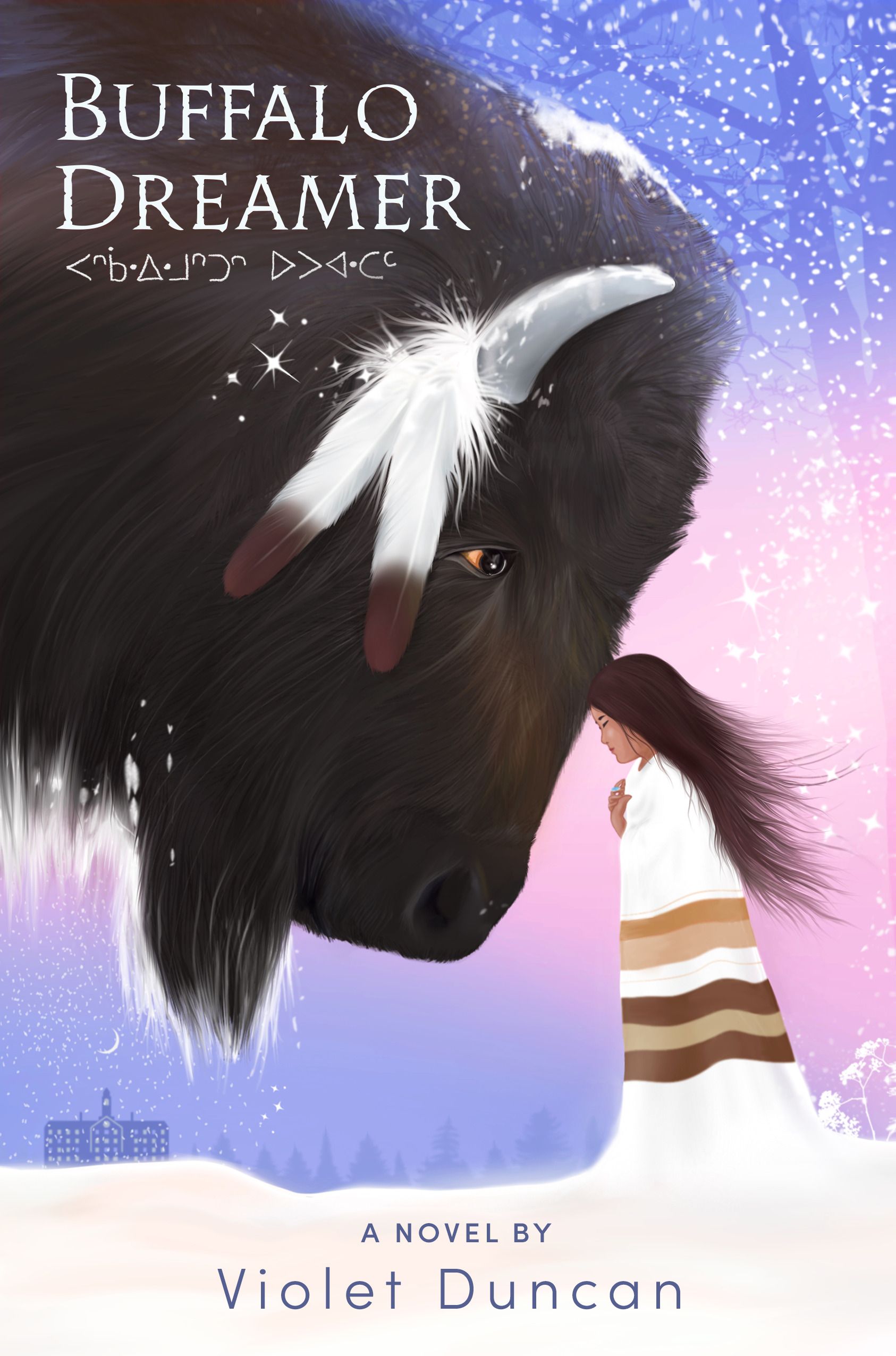
cover of Buffalo Dreamer by Violet Duncan

Buffalo Dreamer by Violet Duncan

This is a lovely middle grade novel centering two Cree girls in Alberta, Canada. Summer spends every summer on the reservation where her mom’s family lives. She and her little brother and cousin Autumn swim in the lake, collect sweetgrass, pick berries, and have a wonderful time. But this summer is a little bit different. Authorities have gathered around a former residential school—one where Summer’s grandfather had been kidnapped and taken to as a child—to scan the ground with new technology. They’ve discovered the bodies of Indigenous children buried there. Meanwhile, Summer begins having vivid dreams of the past about a girl, named Buffalo Dreamer, who runs away from the school when her friend Ann disappears. It’s a slim, fantastic novel.
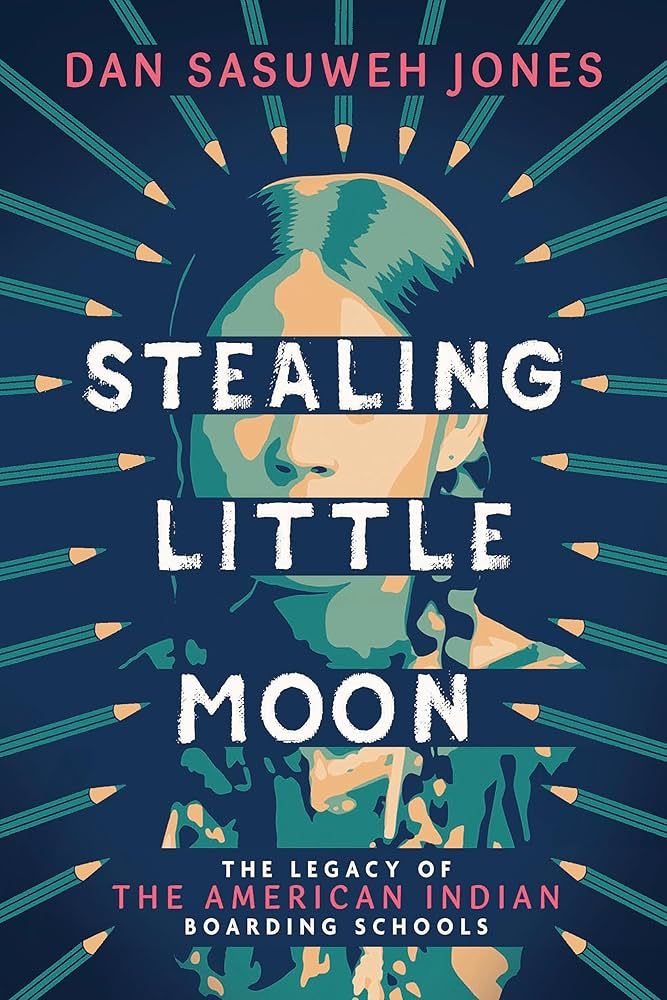
Cover of Stealing Little Moon: The Legacy of the American Indian Boarding Schools by Dan SaSuWeh Jones

Stealing Little Moon: The Legacy of the American Indian Boarding Schools by Dan SaSuWeh Jones

If your middle grader wants to investigate more about residential schools after reading Buffalo Dreamer, then check out this detailed and gut-wrenching middle grade nonfiction. It combines the author’s family history with nonfiction investigation. The author’s grandmother, Little Moon There Are No Stars Tonight, was forcibly taken from her family home by federal authorities when she was just four years old, and taken to a residential school to rid her of her Ponco culture and heritage. Jones traces her story from the time she was stolen to when the residential school was shut down during his lifetime. It’s a very informative read, and I recommend it for upper middle grade readers.
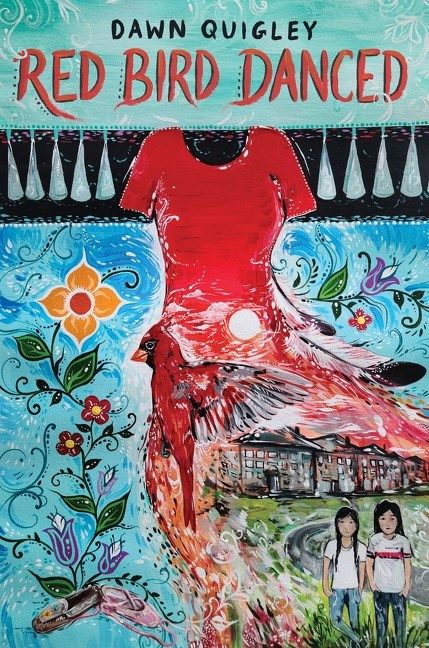
Cover of Red Bird Danced by Quigley

Red Bird Danced by Dawn Quigley

This is a beautiful, accessible middle grade novel-in-verse told from the perspectives of two Ojibwe tweens who live in a Native American urban housing community. Ariel’s aunt is missing, so she chooses to study the Missing and Murdered Indigenous Women and Girls (MMIWG) crisis for a school project. She’s also learning how to dance the jingle dance, though part of her wants to learn ballet. Tomah has a reading disability and struggles in school, though he hides the problem from teachers and his family. Words dance on the page. However, he’s an excellent storyteller and a valued member of his Native community because of it. He loves feeding the birds. Ariel and Tomah are friends, both slowly untangling what it means to be Native and their roles in their community.

READ MORE:  https://bookriot.com/middle-grade-books-native-american-heritage-month/

Thursday, February 17, 2022

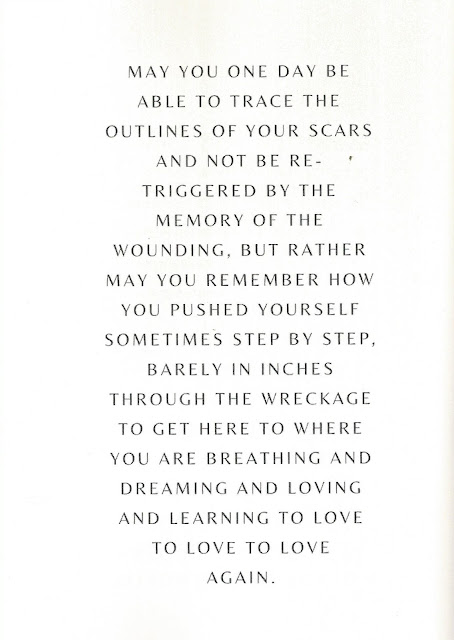
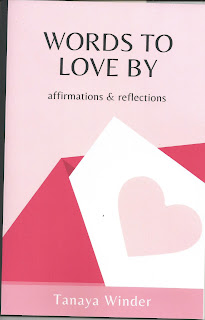
Words to Love By...


👉I am reading this book WORDS TO LOVE BY to heal (TL Hentz)

Source: Poetry (June 2018)

Love Lessons in a Time of Settler Colonialism

I am not murdered, and I am not missing, but parts of me have been disappeared.
— Leanne Simpson

They too know all too well that some cracks were built just for us to fall through.
 We live in a world that tries to steal spirits each day; they steal ours by taking us away.

From Industrial Schools to forced assimilation, genocide means removal 
of those who birth nations — our living threatens. Colonization has been choking

us for generations. I tell my girls they are vessels of spirit, air to lungs expanding; this world cannot breathe without us. There are days 
I wish

I didn’t have to teach these lessons, but as an Indigenous womxn 
silence is deadening. There is danger in being seen, our bodies are targets

marked for violence. We carry the Earth’s me too inside us, 
a howling wind, our mothers & their mothers swallowed these bullets long ago.

The voices ricochet I wish I were invisible I wish I were invisible 
I wish echoes
 in my eardrums — we know what it’s like to live in fear. Colonialism’s bullet sits cocked,

waiting behind a finger on trigger. We breathe and speak and sing
 for survival. We carve out in lines; we write — I know joy I know pain I know love

I know love I know — lessons we’ve carried throughout time. Should I go missing: don’t stop searching; drag every river until it turns red and the waters of our names

stretch a flood so wide it catches everything. And we find each other whole and sacred, alive and breathing and breathing and breathing.
 
**

Uncharted Territory of Grief

Summers meant sticking my arm out the back of a rez car.
No other windows rolled down.
Consequences of a mechanic, some stranger’s
calloused hands left us with sticky summers, sweat
dripping from our foreheads.

I waved to make-believe
friends and hungry ghosts. My arms danced
against the wind, taking comfort in
the resistance of warm desert air.

The ghosts sang along as Journey’s
keys and bass blared through
a battery-powered boombox.
The car hugged the highway curves like a child
holding its mom’s hand, afraid to walk alone in the dark.

Our grandmothers told us stories of the desert,
how giant serpents laid on mountains
to create canyons. Imagine earth crunching
under the weight of unbearable sadness.
Imagine what it feels like to collapse
into an uncharted territory of grief.

As young girls we learned the tale
of a mother who cried so many tears
she created a lake in the middle of the desert.
Today she sits in stone beneath a star-stitched sky,
holding up the otherwise untethered blue.

Last month, I read an orca gave birth
to a female calf who died thirty minutes
after entering our world. The orca carried her dead
calf for 17 days. Tethered by grief, hers the price
paid for love and loving.

                               At 34, my sister gives birth
to her first child, a winter-born boy.
In recovery, my sister asks if she can walk yet.
Her nurse says, “Wait until your legs are yours again.”

I wonder who and what I’ve carried
and carry for days, months, for years. Grandmother,
take me back to your childhood, where you sang
“Blue Moon” in boarding school, where you won
the talent show.
                                         Take me back to 17,
when my back first curved into an S—
the serpent inside me coiled under grief,
my scoliosis stopping any sports
outside of prayers and inside dreams.
I wish we’d had more time.

Take me back to the day my fingers learned the blues
until chords calloused their tips,
the electric progression of “Ain’t Got No Home”
etched into my body’s memory.

Take me back to when we were all children
given songs to sing. The ones you proclaimed
were anthems, predictions for how we would love.

Take me back to when
we were all children saying
let’s pretend. We’d yet to swim
through grief. Our spirits hadn’t been crushed
by fists breaking through bedroom walls
and I could still hold your hand in the dark.
Let’s pretend our ghosts have been fed.
Let’s make-believe our hearts are
ours so we can walk again.

Reverse the journey, playback
the boombox, rewind the cassette tape
to our favorite part where we all sing along
         to the na na na nas,
until my lungs can remember what it’s like to breathe
in a world where you are still here
and I am still waving at ghosts
through the back window, singing:
now it’s your turn girl to cry.
 
Source: Poetry (March 2021)
 

About Tanaya Winder

Poet, writer, and educator Tanaya Winder is an enrolled member of the Duckwater Shoshone Tribe and has ancestors from the Southern Ute, Pyramid Lake Paiute, Navajo, and Black tribes.

In an interview with Zingara Poetry Review, Winder notes, “I am a person who hopes my own writing and poetry reflects the times and the needs of society; without interacting with the community the poetry cannot attempt to reflect communities and so I believe poetry must intersect with community. Poetry has the potential to create community for people who are searching for it by providing a space to interact and share experiences on the page.”

Winder cofounded As/Us, an online journal devoted to writers of color; cofounded the traveling exhibit Sing Our Rivers Red to raise awareness of missing and murdered indigenous women; and founded Dream Warriors Management, a company that manages indigenous artists. The National Center for American Indian Enterprise Development named her one of “40 Under 40” emerging American Indian leaders, and she was a 2017 First Peoples Fund Artists in Business Leadership fellow.


click

Contact Trace

Name

Email *

Message *

NO MORE UPDATES

GO TO:  https://blog.americanindianadoptees.com/  for updates and news. THIS BLOG cannot be updated...