BLOGGER changed, not allowing us to UPDATE this back-up blog

(UPDATED 726/2025) issues with blogger are preventing this
Showing posts with label A ‘Revolution’ in Canada’s Aboriginal Child Welfare System. Show all posts

Monday, January 27, 2025

‘We Need to Take Care of Our Own Children’

 Inside the fight for Indigenous jurisdiction over child services in Canada
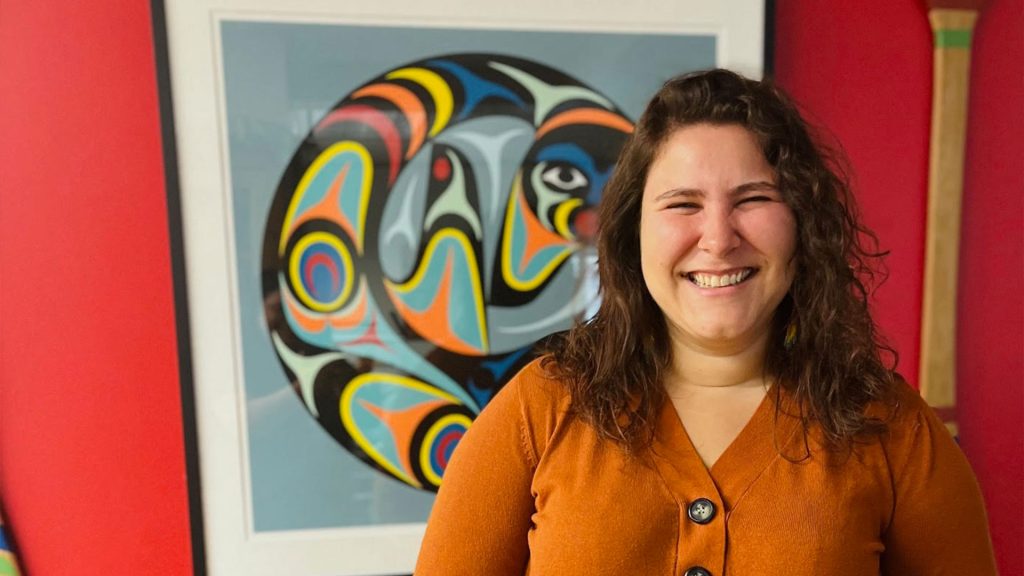
‘Indigenous people across the country and across the world have always talked about how they know the best for their children, and they do,’ said Jessica Knutson, a social worker who was involved in the child protection system as a teenager. Photo courtesy of Jessica Knutson.


Content note: This story mentions residential schools in Canada

Indigenous Peoples are reclaiming their right to take care of their children after at least 500 years of colonization.

The transition to taking back jurisdiction — the power to make legal decisions — over their children is a move full of hope, but also fraught with concerns about inadequate funding and offloading responsibility from federal and provincial governments to Indigenous nations.

“The reason [children are a top priority for First Nations people] is that children are the keepers of the possible. They’re the keepers of our tradition. They’re the keepers of our peoples,” said Cindy Blackstock, a noted activist for Indigenous children’s rights who is a member of the Gitksan First Nation and executive director of the First Nations Child and Family Caring Society of Canada.

“If you don’t pay attention to the children, then really, you’re losing that. You’re losing your culture, you’re losing everything.” 

Children grow up into parents and grandparents, she noted.

“There’s an understanding that you have to treat them well, because… everything that happens to them will ripple forward to generations that we’ll never know,” Blackstock said.

“We have a responsibility to put them first. They are even more important than the Elders. The Elders are important because they teach the children, but the children are the most important.”

Indigenous people ‘know the best for their children’

Colonization continues to strongly influence the landscape of child services in British Columbia and has for generations.

For at least 500 years, Indigenous Peoples in the land now known as Canada have been fighting racist approaches and policies imposed through colonization, as reported in 2015 by the Truth and Reconciliation Commission.

The Indigenous Peoples of this land, over centuries, lost their children to colonial, assimilationist practices like residential schools, day schools and boarding schools, the ‘60s Scoop and more recently, the so-called child welfare system.

Jessica Knutson, who was involved in the system growing up, has been working as a social worker for the past six years.

Knutson, 30, is also part of the National Council of Youth in Care Advocates, a group that advocates for greater and more equitable support for youth in and aging out of care. Her grandmother was Cree, from Treaty 4 territory in Saskatchewan.

Knutson says Indigenous jurisdiction over children should never have been in question and the history caused harm to Indigenous Peoples that will take decades to remedy.

“Indigenous people across the country and across the world have always talked about how they know the best for their children, and they do,” Knutson said.

“The hundreds of years of attempted genocide of Indigenous Peoples here has definitely impacted the ability to do that, but it’s amazing the work that communities are doing, even without the monetary and other support that they should be getting from the federal government.”

At least 4,100 Indigenous children died or went missing in residential schools, which the TRC called a cultural genocide.

Conditions were horrific, including physical and sexual abuse, unsanitary living spaces causing rapid spread of diseases, and inadequate food causing malnutrition. The children were removed from their parents and their cultures and they were not allowed to speak their own language at the schools.

Although residential schools were phased out by the late 1990s, Indigenous children are still being removed from their homes. The ‘60s Scoop saw an increase in the number of Indigenous children put into government care, a practice that continues today.


Check out Spotlight: Child Welfare


The intergenerational trauma of divided families contributes to a vast overrepresentation of Indigenous children placed in government care.

It also contributes to the high rates of disappearances, murders and violence experienced by Indigenous women, as reported by the National Inquiry into Missing and Murdered Indigenous Women and Girls.

Traditionally, Indigenous Peoples saw the care of a child as the responsibility of an extended family. When problems arose, the extended family would come together to support the child and try to come to a consensus decision to solve the problem, the 1992 report Liberating our Children says.

The colonial way — separating children from their parents — was different and harsh.

“Your child protection laws have devastated our cultures and our family life. This must come to an end,” the 1992 report said

‘You have to do something different’

Today in British Columbia, 67.5 per cent of children in government care are Indigenous, while Indigenous people only make up 5.9 per cent of the overall population.

The Canadian 2016 Census found that Indigenous children represent more than half of children in government care in Canada, despite accounting for only 7.7 per cent of the overall population of children.

Blackstock won a landmark decision at the Canadian Human Rights Tribunal in 2016, which found that the federal government discriminated against First Nations children living on reserves, particularly in terms of funding.

“A First Nations child is 17 times more likely to be removed from their family than a non-Indigenous child is, and it’s due to those factors at the ground, the poverty, the poor housing, the multigenerational trauma, the addiction, domestic violence, those are the drivers,” Blackstock said.

The TRC, which is approaching its 10-year anniversary and whose leader, Murray Sinclair, died in November 2024, released the TRC’s 2015 Calls to Action that start with five child recommendations for improving child services in Canada.

Those include a call for child welfare legislation to “affirm the right of Aboriginal governments to establish and maintain their own child-welfare agencies.”

Poor outcomes for children raised in foster care are the reason change is needed, said Jennifer Charlesworth, B.C.’s representative for children and youth.

Charlesworth, who is not Indigenous, has been in the role since 2018. Her office is mandated with advocating for children and youth, monitoring services for them and conducting reviews and investigations into critical injuries and deaths of children receiving government services.

The primary reason for Indigenous children being taken into government care is poverty and once they are in care, their mental and physical health suffers, as does their educational achievement and even their sense of hope for the future, she said.

“Indigenous children spend more time in care than non-Indigenous children. They are often disconnected from their culture, from their family and community. We know that that has an impact on their sense of belonging, and their sense of identity,” Charlesworth said.

“When you see poor outcomes and the perpetuation of harm, you have to do something different. Indigenous people in their strength and resilience have advocated for changes in their role in child welfare and are resuming their rightful place as carers and protectors of their children.”
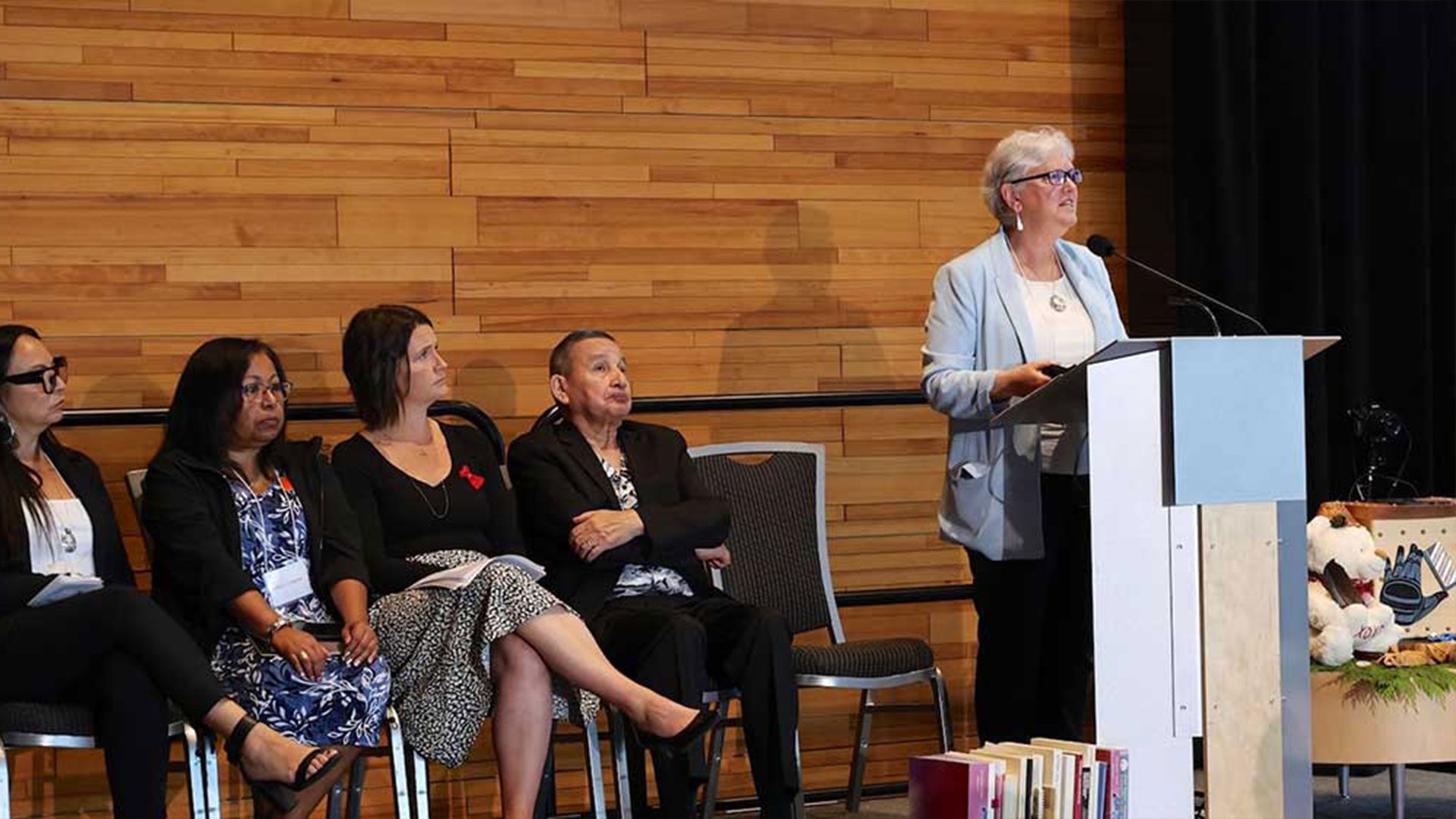
Jennifer Charlesworth (far right), B.C.’s representative for children and youth, presents the ‘Don’t Look Away’ report on July 16, 2024. Onstage from left are Mary Teegee, Cheryl Casimer, Grace Lore and Grand Chief Stewart Phillip of the Union of B.C. Indian Chiefs. Photo submitted.


‘We need to take care of our own children’

The multigenerational trauma created by colonialism, residential schools, the ‘60s Scoop and the overrepresentation of Indigenous children in the child services system is evident around us. It’s evident in the statistics that show the overrepresentation of Indigenous people among the unhoused population, among the deaths from poisoned drugs and in the criminal justice system.

“This is why it’s so important. We need to take care of our own children because the current system doesn’t work,” regional Chief Terry Teegee told more than 1,000 Indigenous leaders, Elders and caregivers who gathered in late October for the Our Children, Our Way conference in Vancouver.

In 2019, the federal government passed Bill C-92, An Act Respecting First Nations, Inuit and Métis Children, Youth and Families, which affirmed jurisdiction over their children.

“When you get boiled right down to it, for a person on the street, [jurisdiction] is the ability to make decisions for your own kids,” Blackstock said.  

Knutson says the return to Indigenous jurisdiction is needed.

“Children and women are the heart of community,” she said. “It’s so important and really significant that nations are able to use their own protocols to be able to care for their children, because Indigenous nations need to be making the decisions for their own children, and that looks different for each nation.”

As of Jan. 17, 2025, 86 Indigenous governing bodies representing over 110 Indigenous communities have submitted 66 notices to exercise jurisdiction over child and family services, and 42 requests to enter co-ordination agreement discussions pursuant to section 20 of the Act.

Twelve Indigenous child and family services have come into force, and 11 co-ordination agreements have been signed, according to Indigenous Services Canada.

Co-ordination agreements are a transitional way to exercise jurisdiction over child services that can include the Indigenous nation and the provincial government, each having specific roles and responsibilities, with the best interest of the child as the focus.

 The United Nations Declaration on the Rights of Indigenous Peoples also recognizes the right of Indigenous families and communities to be responsible for the upbringing and well-being of their children.

 “Responsibilities for raising children are core aspects of the right to self-government,” said Hadley Friedland, an expert in Indigenous law and professor in the faculty of law at the University of Alberta, at the Our Children, Our Way conference.

“This is also obvious based on how the Crown attempted to destroy Indigenous families through assimilation policies.” 

 British Columbia introduced its Declaration on the Rights of Indigenous Peoples Act in 2019, establishing UNDRIP as the basis for provincial reconciliation. It also amended its Child, Family and Community Service Act by passing Bill 38, ​which strengthens Indigenous community’s ability to resume authority over child and family services. 

The first steps forward

In 2023, the Federal Court of Canada approved a $23.24-billion settlement to compensate First Nations children and families who were harmed by discriminatory underfunding of the First Nations Child and Family Services program. 

In addition, a 10-year, $47.8-billion settlement agreement to reform First Nations Child and Family services going forward was presented in July 2024.

The Assembly of First Nations Chiefs rejected that deal in October, saying the funding was inadequate, the governance structures lacked transparency and were not accountable to First Nations, that it contained a weak dispute resolution process and that committing to the settlement for 10 years would leave no way to negotiate further, the organization Our Children, Our Way said in a news release

“Our leaders have rejected this draft agreement because they know what is at stake: our children. This was not a good agreement: we have to do better for our children,” said Mary Teegee, chair of the Our Children Our Way Society.

Blackstock said there were fundamental problems with the agreement Chiefs rejected.

“It wasn’t really a vote against, it was a vote for good governance, stability and non-discrimination for kids, and to make sure that Canada was held accountable to the legal obligations it currently has to First Nations children,” Blackstock said.

“That $47.8 billion was advertised as being there, but under closer scrutiny, looking at the agreement, it really was a one-year funding deal that gave Canada wide discretion on the level of funding and the terms of funding over the next nine years. After nine years, there was nothing for these kids, nothing was guaranteed.”

There were also issues with governance in the rejected agreement, Blackstock said.

“The chiefs, if they had voted for it, that would be the last decision they would make on their children for nine years, on this funding approach, all of that would be ceded to a secret committee that had extensive liability protection but no accountability,” Blackstock said.

Nonetheless, Blackstock is hopeful for a better deal.

“This is a legal case. Canada has to comply with that legal standard, stop discriminating and prevent it from happening again,” Blackstock said.
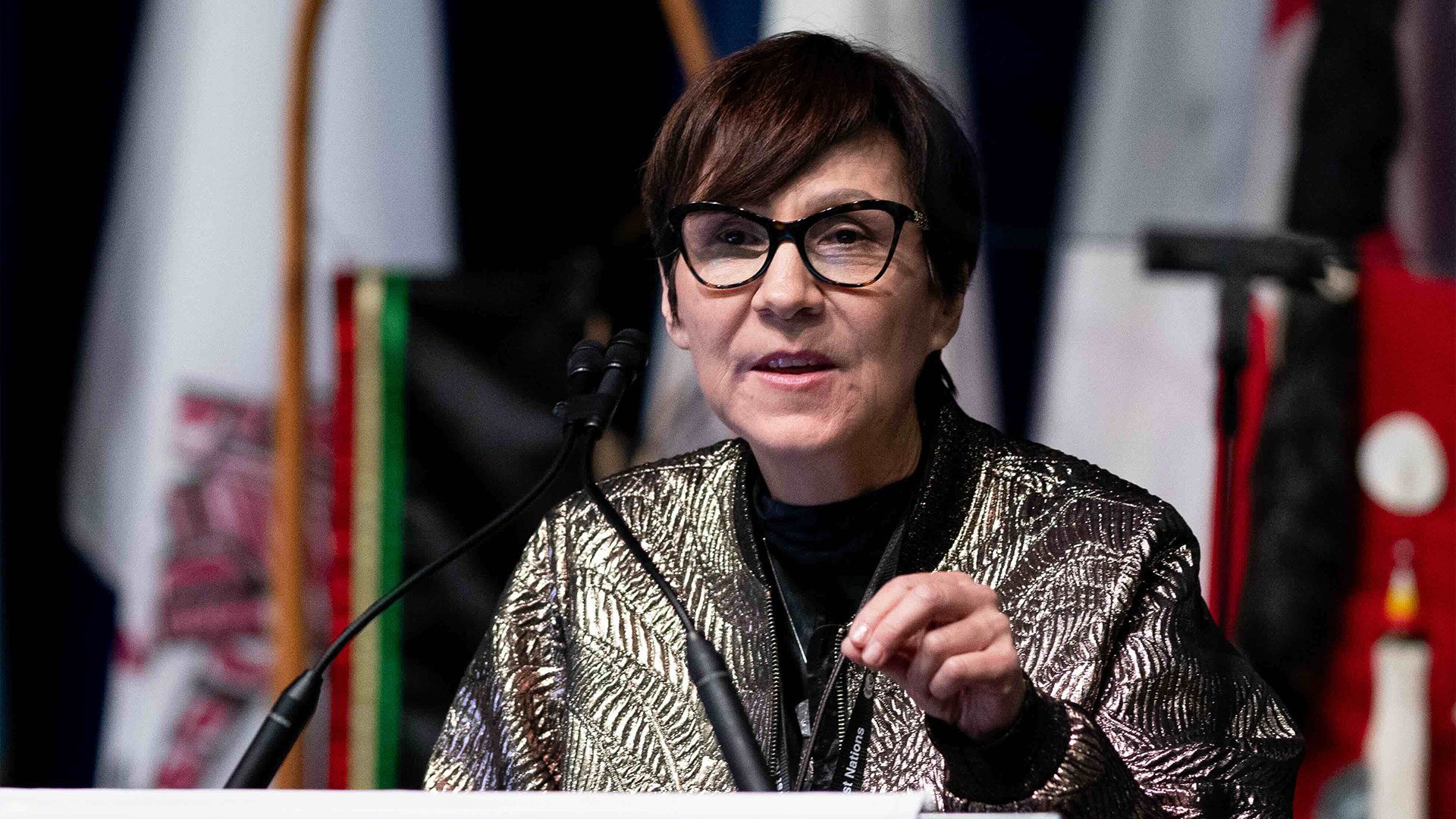

Executive director of First Nations Child and Family Caring Society of Canada Cindy Blackstock speaks on child services during the Assembly of First Nations Special Chiefs Assembly in Ottawa on Dec. 4, 2024. Photo by Spencer Colby, The Canadian Press.


Transitions can cause ‘the greatest grief’

Another concern with the agreement the AFN Chiefs rejected was whether First Nations children who live off reserve would be covered by the deal. Under the current system, the federal government pays for on-reserve child services, while provincial governments are responsible for paying for off-reserve child services.

“That’s an Indian Act thing, that racist Indian Act that's been going on since Confederation, and the federal government will often weaponize that piece of legislation to try and limit its financial exposure, which is getting in the way of children and children's childhoods,” Blackstock said.

“What we would rather see, and what the Canadian Human Rights Tribunal has already ruled, is that the definition of a First Nations child is not based on some racist blood-quantum thing called the Indian Act. Instead, it’s the nation's recognition of its children on or off reserve.”

Transitional periods can be confusing and can produce the greatest grief, Charlesworth said. Her office would not have oversight over children, youth and families who are cared for by their own nations, for example, unless the nation forms an agreement to have her involved. However, she said she will be watching over the transition.

In July, Charlesworth released a report into the violent and disturbing death of an Indigenous boy in care, who was referred to as Colby.

Confusion over roles and responsibilities during the transition to Indigenous jurisdiction may have led to staff at B.C.’s Ministry of Children and Family Development not doing due diligence in placing Colby and his siblings with his mother’s cousin’s family, the report says.

The fine line between jurisdiction and ‘offloading’

Another “very, very important” concern is adequate funding and resources, Charlesworth said.

“I do believe that people that are involved in this have the best of intentions, but there is always a risk of this being just like a devolution of responsibility and liability, frankly,” Charlesworth said.

“From a perspective of what's called substantive equality, sometimes more resources are necessary than what’s currently being allocated to redress the wrongs that have happened over time and to increase the likelihood of success.”

The AFN Chiefs who rejected the federal agreement agree, as does Blackstock.

“There’s a fine line between jurisdiction and offloading. And that’s what I'm worried the feds are doing. They’re not funding these other pieces adequately,” Blackstock said.

Knutson is also concerned that adequate resources won’t be made available for nations to take back jurisdiction and says the rejection of the settlement shows some anxiety is warranted.

“If you’re in the know, it’s not surprising, because it’s what’s been happening for hundreds of years,” she said.

Blackstock is concerned that dealing with child services in a silo isn’t a way to get to equity.

“I have my own question about whether or not it’s actually another narrow imposition of this western law by just saying you can have jurisdiction and child welfare instead of a reclamation and a reaffirmation of those traditional laws, and then the resources to be able to address them and implement them, and also clean up the colonial trauma, and that's going to take multiple generations,” Blackstock said. 

She mentioned the Spirit Bear Plan, a plan passed by the Assembly of First Nations in 2017, as being a ‘master plan’ that would eliminate inequities on several levels, rather than with a siloed approach. 

 The plan calls for specific changes to address this, including ending the practice of discriminatory funding and policies, and that public servants receive adequate training on the TRC’s Calls to Action.

 “It said, ‘Let’s break this pattern of just picking one topic and then throwing a little bit of money at it, but never getting to equities,” Blackstock said.

“Water is a good example of that. There’s no excuse for there not being clean water for every First Nation. I mean, for Pete's sake, they have clean water in the space station, population six, right? They can do this.”

She said racial discrimination, particularly against children, should never be a fiscal restraint measure.

“You can tighten the belt for everybody, but you can’t just pick out one group and say, well, you’re just going to have to be patient and wait,” Blackstock said.

“Sorry, that’s disgusting, but that's what's been going on in Canada. It’s really an apartheid public service system.”
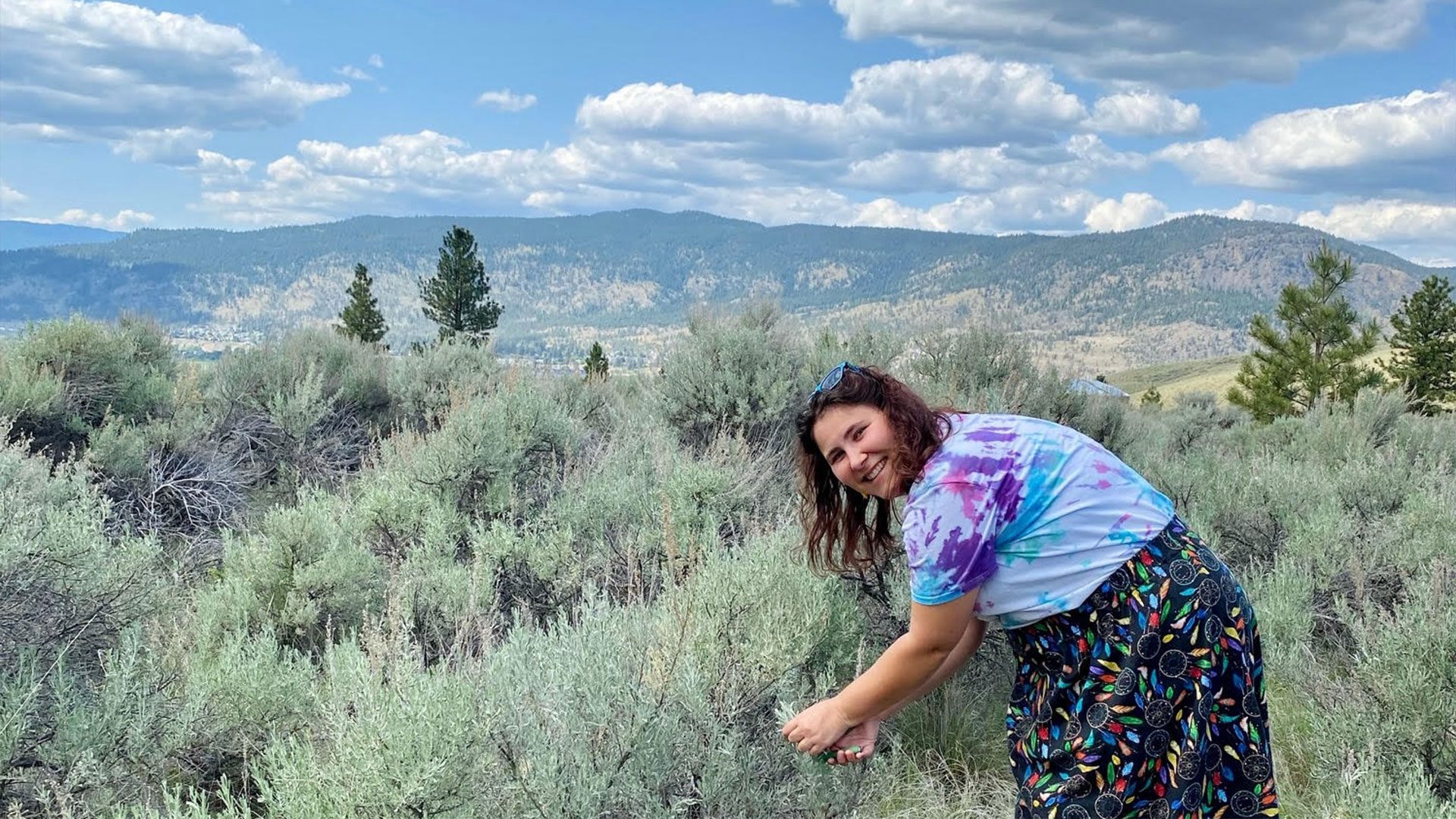

‘Wherever Indigenous children and youth are,’ Knutson told The Tyee, ‘[I would hope] that they’re able to be connected to their nation, to their land, to their culture, to their language.’ Photo courtesy of Jessica Knutson.


 ‘First Nations are transforming systems’

Regional Chief Terry Teegee spoke about at the Our Children, Our Way conference about his nephew, who was in foster care, but then was adopted by Teegee’s mother. He started playing hockey and was successful in school. He’s now a dermatologist in British Columbia.

In contrast, Teegee spoke about walking through the Downtown Eastside and thinking about the lost opportunities for the people living there. Many of them lived through the child “welfare” system, which Teegee linked with homelessness, the opioid crisis and the justice system.

“First Nations are transforming systems that are deeply rooted in racism and discrimination,” he said, calling this a “pivotal moment.” 

Blackstock sees jurisdiction as an opportunity for First Nations to act more holistically to address the root causes of children being taken from their families — things like poverty, addictions or poor housing.

“Those fires are the same things that disadvantage young people in juvenile justice. It's the same things that set up young people for mental wellness challenges, the same thing that sets people up for physical wellness challenges. It's those same fires, and that's what we have to put out,” Blackstock said.

“To just forget about those things, let them fester and worsen, and just remove First Nations kids out of their families, then that's going to lead to another generation of kids being harmed.”

Having jurisdiction could allow nations to make decisions to address the community-level trauma that has been left unattended to for too long, she said.

Across the country, different provinces are working on Indigenous jurisdiction over children. B.C. was the first province to adopt https://www2.gov.bc.ca/gov/content/governments/indigenous-people/new-relationship/united-nations-declaration-on-the-rights-of-indigenous-peoples the United Nations Declaration on the Rights of Indigenous Peoples in 2019.

In 2022, the province became the first in Canada to recognize the inherent right to self-government for Indigenous people when it passed Bill 38, The Indigenous Self-Government in Child and Family Services Amendment Act, which also upholds the right for Indigenous communities to provide their own child and family services. Since then, several agreements have been signed between nations and the Ministry of Children and Family Development, a ministry known mostly for bad news, such as the deaths of children in care, overworked social workers and being one of B.C.’s most complained about public entities.

B.C.’s Children’s Ministry has most recently been led by Grace Lore, who was re-appointed after the October 2024 provincial election. She stepped down from her role in early December following a cancer diagnosis.  

Before she stepped down, Lore had promised to overhaul the system, transforming it into one that lifts families up and focuses on prevention rather than protection.

“We will build a system that is more proactive, that is more flexible, that meets people where they are at,” Lore said.

In September, Lore signed a new accord with the First Nations Leadership Council — the Rising to the Challenge Accord, which recognizes and upholds that First Nations have the inherent right to self-determination, including jurisdiction over First Nations children and families.

“This protocol adds to our evolving foundation and ongoing joint commitment for how we will work together with a goal to achieving real and positive change in the coming years,” said Cheryl Casimer, political executive at the First Nations Summit, when the report was released.

The bottom-line hope is that children will thrive when cared for by their own nations.

“My Elder talks about how it takes a child to raise a village. Our future will be better if we attend to the well-being of the children, because we will be a stronger village if our children thrive,” said Charlesworth. 

For her part as a survivor of the child “welfare” system as it’s operated in recent decades, Knutson is hopeful that one day, when more Indigenous nations have reclaimed jurisdiction, there will be a decrease in the overrepresentation of Indigenous children in care.

“[I would hope that] wherever Indigenous children and youth are, that they’re able to be connected to their nation, to their land, to their culture, to their language, which has been proven time and time again to be protective factors for Indigenous children and youth in care, and in the aging out process,” Knutson said.

As all the voices in this story have urged, the approach will need to address the root causes that lead to children being taken from their families — poverty, intergenerational trauma, addictions, mental and physical health or poor housing.

“There is nothing more important than the health and well-being of our children, our future generations,” said Casimer.

Tracy Sherlockis a freelance journalist and journalism instructor based in Vancouver. She is the editorial lead for the Spotlight: Child Welfare project.

With research by Jeevan Sangha and editorial consultation by Anna McKenzie.

Editor’s note: This story was produced as part of Spotlight: Child Welfare, a collaborative journalism project that aims to improve reporting on the child welfare system. It was originally published by The Tyee. Tell us what you think about the story here.
Friday, January 7, 2022

Canada does it first, is America next?


I don't know about you but I saw this coming - that the Truth and Reconciliation (TRC) in Canada would end with money paid to victims. Canada is first. Will America be next? Or Australia?... Blog Editor TLH

In Largest Settlement in its History, Canada Comes to Agreement in Principle in Child Welfare Lawsuit

NY Times Coverage here

The Canadian government announced Tuesday that it had reached what it called the largest settlement in Canada’s history, paying $31.5 billion to fix the nation’s discriminatory child welfare system and compensate the Indigenous people harmed by it.

Agreement in principle/press release here

For those who were following this case, it involves the First Nations Child and Family Caring Society, which is led by Cindy Blackstock. The settlement attempts to reform Child and Family Services and address Jordan’s Principle. This is a major settlement and significant milestone for Native children and families in Canada.

Wednesday, September 1, 2021

‘The child-welfare system is residential schools part two,’ says lawyer

This article contains content about residential “schools” that may be triggering. IndigiNews is committed to trauma-informed ethical reporting, which involves taking time and care, self-location, transparency and creating safety plans for those who come forward with stories to share.

Roslyn Chambers says she first began drawing connections between residential “schools” and Canada’s child-welfare system during law school.

It was the early 2010’s, and she was studying law at Dalhousie University in Halifax. After learning that her peers didn’t know about Canada’s residential “school” system or the Sixties Scoop — something Chambers believes everyone should know about — she started a discussion group.

They welcomed guest speakers to join them, and Chambers says their teachings helped her to understand that “the child-welfare system is residential schools part two.”

“The same principles that put residential schools in place are almost identical to what’s happening within the child-welfare system today,” she tells IndigiNews.

“It’s another thing that we’re going to get an apology for in twenty years.”

Chambers is a Black and Métis lawyer and the co-founder of Chambers Caldwell Law LLP. She spoke with IndigiNews about why it’s important to fight for Indigenous kids and families involved in the child-welfare system, and what lawyers can do differently.

Anna McKenzie: What is your area of expertise or focus as a lawyer, and how long have you been practicing?

Rosyln Chambers: I practice family law and child protection. I’ve been practicing for five years, which seems like a very short time. I was a mature law student with a lot of life experience. I think that’s part of why my practice is very strong and growing.

AM: How many parents [roughly] have you represented in cases against the Ministry of Children and Family Development (MCFD) or a Delegated Aboriginal Agency (DAA)?

RC: Hundreds. Somewhere between 200 and 250, and that’s in five years. That doesn’t include the people that call for advice.

AM: Why is it important for you to fight for Indigenous kids and their families who are involved with MCFD?

RC: It’s important to me because of the families that are broken and they’re getting broken apart by the Director [of MCFD], by the government, and their colonial views. I don’t know how else to describe it. Colonial arrogance, white privilege … The Director steps in and decides where that child goes, when in fact, the family and the community probably could have dealt with that situation better and with less disruption to the child.

It’s important to me because I’ve got a few new tools right now with the new Act [respecting First Nations, Inuit and Métis children, youth and families]. I’m quoting it all of the time, and the judges are listening. The legislation has to change now that we have this new Act. The provinces need to step up.

I’m doing this work because I don’t want to see yet another government apology in twenty years. I want to make sure that every family, whether it’s a mom or dad or a grandmother, gets to have their voice heard against the Director. There are so many sad stories where the parents don’t get a lawyer, don’t know what to do, and end up losing their kids. It’s disgraceful, and so my work is basically trying to reunite the family. The Director has to understand that and they have to be more flexible and understanding instead of destroying families. Not all families are perfect.AM: What do you think needs to be changed about the way the legal system approaches Indigenous child welfare cases?

RC: The very first thing is, they have to listen to the parents. I think the judges need to listen to the parents a lot more. Also, the Director needs to be checked. That’s the key.

There’s been a number of refreshing changes recently, because we’re in an environment now where judges have a better understanding. Recently, a judge said that the Director shouldn’t go unchecked and that the court should be [more] engaged … and this was based on me trying to get an Indigenous child out of a non-Indigenous foster home. It’s important to me because these families are broken, and they are getting broken apart by the government.

I also think the Director shouldn’t be able to just remove kids and then deal with it later. [Social workers] should be calling and looking for a family member and involving the child’s nation where possible. Instead, parents may not be able to see their child for weeks.

There’s also a lack of adequate access. The Director seems to think that two hours, two or three times a week, is adequate to see your child.

There’s also a lot of people that rely on kids being in care. If you look it up, you’ll see how much money is spent on legal fees going to trial. There’s a financial infrastructure that relies on a certain amount of kids being in care. That money should be put into preventative measures like keeping kids at home, supporting parents with child care and respite care, services for mom and dad … that is money better spent that is going to make a change. ​​Or even just give [the money] to communities. Give it to First Nations.

There are some amazing social workers out there that really work to try and get the kids home, but they are the exception, sadly.

AM: What do you want other lawyers to know or do differently when they are representing indigenous families involved in the system?

RC: I want them to be empathetic. I want them to fight hard to be the advocate. You are the voice of your client. I want them to understand all of the services that may be available to Indigenous clients, like legal aid or supports in finding housing so parents can work towards getting their kids back. Those resources give us [lawyers] extra hours for Indigenous client support.

Be more imaginative and try to support the person as a whole. Also, make sure you know the kid’s name.

AM: Would you say law students are encouraged to pursue child protection law in school?

RC: No, I don’t think they are. It’s not sexy, it’s not fancy. It’s possibly not even lucrative. But it is a very valuable thing. I think there has to be a larger emphasis on it in family law, and I think it should also be a course on its own. A child protection [course] will help people understand the historical disadvantage of a group of peoples, and it’s sad to say that out loud but the child-protection system is the new residential school.

AM: Is there anything else you’d like to share?

RC: There’s another thing that perpetuates the historical disadvantage, and that’s “the watchlist.”

It’s easy to get into the child-protection system. It is very difficult to get out.

It’s also, you know, a stereotype. It’s like we don’t expect you to do well if you came out of the system, which is kind of ironic.

Also, kids are still being removed at birth. It was supposed to have stopped, but it still happens. One of my proudest moments was supporting a mom whose new baby was removed. She was still in the hospital and then she came home without the baby, but the baby came home that afternoon because I went to court right away and I said this is completely ridiculous. When you take a child away at birth, you know you are changing this child’s destiny and ability to bond.

Instead of coming and taking kids, provide [families] with [the] supports and services in advance.

A National Indian Residential School Crisis Line has been set up to provide support for former students and those affected. Access emotional and crisis referral services by calling the 24-hour national crisis line: 1-866 925-4419.Within B.C., the KUU-US Crisis Line Society aims to provide a “non-judgmental approach to listening and problem-solving.” The crisis line is open 24 hours a day, seven days a week. Call 1-800-588-8717 or go to kuu-uscrisisline.com. KUU-US means “people” in Nuu-chah-nulth.

Wednesday, March 24, 2021

How to Create an Indigenous Child Welfare System

The Splatsin, among the first nation to create its own, will share hard-won knowledge in an upcoming webinar.

SOURCE:Katie Hyslop March 23, 2021 | TheTyee.ca

It’s been over a year since a federal law affirming the right of First Nations, Inuit and Métis peoples to run their own child welfare systems came into force.

Yet over half of the children in government care nationally and two-thirds of kids in care in B.C. are still Indigenous, despite making up just 10 per cent of all children.

Bill C-92 allows communities to create their own child welfare systems and services, but implementation is just beginning and no funding is yet confirmed, with the Assembly of First Nations and federal government still in discussions.

The Assembly of First Nations and the First Nations Leadership Council have held some information sessions and town halls on creating and operating child welfare systems in B.C.

But Kukpi7 (Chief) Wayne Christian of the Splatsin of the Secwepemc Nation said they haven’t answered all the questions about what it means to have jurisdiction over child welfare.

And he should know. Christian helped spearhead a movement in 1980 that saw the Splatsin become one of the very few First Nations in Canada to create and operate its own child welfare system. It continues to operate today.

And he’ll share the lessons learned in a two-day webinar for other First Nations Wednesday and Thursday.

“I wanted the opportunity to explain to people in a learning environment what is it we actually do. And what does it mean in terms of jurisdiction, because jurisdiction, in essence, is having the resources and making decisions for your children,” he said.

“Our Elders told us back in 1979, when we started the process, this is our inherent law before the white people imposed their law on us, this is how we did it. And so that’s what we codified with our Elders at the time, and that’s what we’ve been operating with now for four decades.

“We know where every child is and who they are in our community,” said Christian. In the community of about 1,000 people just outside Enderby, B.C., 30 to 35 children are in care at all times, he said, a rate that hasn’t changed much since the community numbered 350 in 1980.

“Every child that’s been born in that four decades, we know. And I think that’s the key is that we know, and then they know, who they are and who they’re connected to.”

The law — C-92: An Act respecting First Nations, Inuit and Métis children, youth and families — came into effect in January 2020 as a result of a national outcry over the disproportionate number of Indigenous youth in care, as well as the federal government’s systematic underfunding of child and family services in First Nations and Inuit communities.

But 39 years earlier, when the Splatsin of the Secwepemc Nation were pushing for child welfare jurisdiction, it didn’t have national support.

Instead, it had the support of several B.C. First Nations who joined them in a caravan to then-deputy premier Grace McCarthy’s Vancouver house on Thanksgiving weekend to demand jurisdiction over their children’s welfare.

With help from these nations, along with George Manuel, then-Grand Chief of the Union of BC Indian Chiefs, human rights lawyer Louise Mandell and Jacob Marule, an exiled member of the South African National Congress, the Splatsin were able to hash out a jurisdiction agreement with McCarthy.

The federal government did not stand in the Splatsin’s way of reclaiming its child welfare services, and ultimately the Splatsin’s jurisdiction was federally and provincially recognized.

But the federal government would not allow several dozen other First Nations to follow suit.

“I think there was about 40 to 45 communities, and it would have made a big difference if they were able to stand up their laws at that time. But Indian Affairs said no to them,” Christian said.

Which is why the Splatsin of the Secwepemc Nation are holding these webinars.

“It’s our way of thanking people for helping us back then, because without that groundswell of support from all the communities, we wouldn’t have been able to achieve what we’ve achieved back in 1980,” Christian said, adding that Mandell will address the legal aspects of the win during the webinar.

Many of the roadblocks the Splatsin have and continue to face in delivering child welfare services are ones that other First Nations communities will grapple with, too.

For example, retaining control over services on and off reserve land will mean dealing with both the provincial and federal governments. As recently as a decade ago, the Splatsin were in conflict with a provincial government that refused to acknowledge their jurisdiction over Splatsin children who lived outside of the community.

“We were going to file a constitutional challenge,” Christian said, but five years ago the deputy minister of children and family development agreed to sign a memorandum of understanding with the nation that reaffirmed B.C.’s acknowledgement of Splatsin jurisdiction.

Nations will also need to determine how they used to govern themselves before colonization and how to adapt those laws into a modern-day child welfare system.

“The essence of what we do and follow is related to the wisdom of our old people,” Christian said, adding it’s the same in many other nations.

Then there are several other matters: federal funding, both initial capital and long-term operating funds; hiring and training personnel; gathering and storing community members’ data; developing culturally relevant child, youth and family programming; developing an appeals process; sourcing and funding temporary caregivers; and liaising with other health and social services that community members use.

Monty Montgomery, associate professor at the University of British Columbia’s school of social work, said finding the right people to work in an Indigenous-run child welfare system isn’t as easy as hiring for a typical service.

“It can be difficult work. There is a sacred responsibility in looking after our young people and working with our young people, our Elders tell us this,” said Montgomery, who is of Mi’kmaq and Irish-Canadian descent.

“And we need to be trained in ways that we understand both the culture and the dynamics of the communities, plus mainstream ways.”

Christian said federal funding has not been easy to maintain. The federal government still pressures the Splatsin to change its child welfare system to a Delegated Aboriginal Agency format, where the offices would be staffed by mostly Indigenous people but operate under provincial government laws and jurisdiction, he said.

“I really have a hard time with the federal government, because they don’t understand jurisdiction,” Christian said. “So when we’re in discussion with them, we’re continuously educating them in terms of what it actually means.”

Because of the lack of federal funding for Indigenous child welfare jurisdiction so far, Montgomery predicts some First Nations will join together to create their own delegated agencies and apply for federal funding that way. But again, they would have to operate under provincial child welfare rules. For a band or nation to do it on their own, Montgomery isn’t sure what operational funding they could access at the moment.

The barriers are real, and not every community or nation will be ready to open and operate their own child welfare system any time soon. But it can be done, Christian said.

“I think at times we get disheartened or so many roadblocks get put in place that people give up,” he said. “And you can’t afford to give up on your children, you have a responsibility to them.”  [Tyee]

Wednesday, September 11, 2019

Ottawa ordered to compensate First Nations children impacted by on-reserve child welfare system

Assembly of First Nations National Chief Perry Bellegarde, left, and Cindy Blackstock, head of the First Nation Child and Family Caring Society. The groups filed the original human rights complaint that led to Friday's ruling. (Canadian Press)

Ottawa must pay potentially billions of dollars in compensation to First Nations children harmed by the on-reserve child welfare system, following a ruling Friday by the Canadian Human Rights Tribunal that also called for payments to some of their parents and grandparents.
The tribunal ordered the federal government to pay $40,000 to each child — the maximum allowed under the Canadian Human Rights Act —  who was apprehended or taken from their homes on reserve, no matter what the reason.

The ruling covers all children in the care of the on-reserve child welfare system at any point from Jan.1, 2006, to a date to be determined by the tribunal.

'Racism, colonial practices and discrimination'

Cindy Blackstock, who heads the First Nations Child and Family Caring Society, said this latest ruling shows Ottawa learned little from what happened in residential schools and during the Sixties Scoop era.


"They knew better and did not do better resulting in tragedy for First Nations children, families and [First] Nations," said Blackstock in a statement.


"We must demand Canada stop its piecemeal approach to remedying cross cutting inequalities in First Nations public services by fully implementing the Spirit Bear plan to end all of the inequalities once and for all."

READ

++
National Native News Listen

Thursday, May 31, 2018

Out of Darkness: 7 Part Series: Indigenous Solutions for Child Welfare


In This Series

news

ResidentialSchoolIndigenousWelfare.jpg

How Canada Created a Crisis in Indigenous Child Welfare

Part one of a series: from residential schools to the Sixties Scoop, governments set out to undermine Indigenous families.
By Katie Hyslop, 9 May 2018

news

AttawapiskatReserveHome.jpg

How Poverty and Underfunding Land Indigenous Kids in Care

Part two of a series: governments falling short in fixing Indigenous child welfare crisis, say critics.
By Katie Hyslop, 14 May 2018

news

AshleyBachIndigenousYouth.jpg

Lessons from Care: ‘If the Government Hadn’t Done All Those Terrible Things’

Part three in a series. Who better to ask for solutions than Indigenous youth who have been in government care. First up, Ashley Bach.
By Katie Hyslop, 16 May 2018

news

paul-martin-1.jpg

The Kelowna Accord, Racism and the Child Welfare Crisis

Part four in a series. Former PM Paul Martin says an opportunity was lost; Cindy Blackstock isn’t so sure.
By Katie Hyslop, 22 May 2018

news

katrine-conroy.jpg

Changes Coming — Slowly — to Indigenous Child Welfare in BC

Part five of a series. Now that governments are finally acknowledging the problem, here’s what is changing.
By Katie Hyslop, 24 May 2018

news

Jaye-Simpson-Smaller.jpg

Lessons from Care: ‘The Only Flaw in This System Is that Some of Us Survived’

Part six in a series. Jaye Simpson on lessons from a childhood in care.
By Katie Hyslop, 28 May 2018

news

jacquie-green-convocation-ring.jpg

Closing the Gap Between White Schools of Social Work and Indigenous Families

Part seven of a series. Indigenizing social work, one school at a time.
By Katie Hyslop, Today


Monday, August 8, 2016

PERFECT STORM: A ‘Revolution’ in Canada’s Aboriginal Child Welfare System

logo-chronicle (2) 

By Devon Ziminski
Written By Chronicle Of Social Change


Recent legislative action addressing the severely adverse outcomes that First Nations children face in Canada’s child welfare system has led to a national discussion.


Earlier this year, the Canadian Human Rights Commission issued a decision against the government in a 2007 lawsuit filed by the First Nations and Family Caring Society and the Assembly of First Nations. The tribunal ruled that the federal government discriminated against tens of thousands of vulnerable First Nations children by providing less money for welfare services on reserves – referred to as reservations in the U.S. – than elsewhere in Canada.

The ruling has captured the nation’s spotlight because of Canada’s troubled past with Aboriginal peoples, and its urgency is heightened by the disproportionate overrepresentation of First Nations children in the Canadian child welfare system.
“Aboriginal peoples” is a collective name for the native inhabitants of North America and their descendants. Canadian law recognizes three groups of Aboriginal peoples: Indians, commonly referred to as First Nations people, Métis and Inuit.

Nearly half of the 30,000 children and youth in foster care across Canada are Aboriginal children, even though Aboriginal peoples account for only 4.3 percent of the Canadian population.

“In the U.S., African American kids are overrepresented. In Canada, its First Nations children,” said Josh Kroll, a project coordinator with the Northern American Council on Adoptable Children (NACAC). NACAC promotes and supports permanent families for children and youth in the U.S. and Canada.

While the overrepresentation of Aboriginal children clearly exists, comparing the rates of Aboriginal children in foster care across the country is challenging because the population rates, economic conditions and community supports vary in each province.

“There is overrepresentation in each province but it is different,” Kroll said. The percentage of Aboriginal children in child welfare systems reaches 60 percent to 78 percent in some provinces and territories.
While Canadian policy acknowledges cultural differences between mainstream society and Aboriginal culture, these tensions have escalated to legal action.

“With the Inuit populations in Canada, there are profound challenges,” said Rita Soronen, president and CEO of the Dave Thomas Foundation for Adoption in the U.S. and Canada. The Dave Thomas Foundation is a nonprofit organization dedicated to finding permanent homes for children in foster care.

Historically, Canada has had a challenging relationship with First Nations people. Many struggles relating to child welfare in Aboriginal communities are perpetuated by poverty, community isolation and a lack of social services. An inaugural First Nations summit led by the Federal Minister of Indigenous Affairs will be held in fall 2016 to address these issues.
First Nations Child and Family Caring Society Executive Director Cindy Blackstock speaks about the Canadian Human Rights Tribunal regarding discrimination against First Nations children in care. Assembly of First Nations National Chief Perry Bellegarde looks on.
First Nations Child and Family Caring Society Executive Director Cindy Blackstock speaks about the Canadian Human Rights Tribunal regarding discrimination against First Nations children in care. Assembly of First Nations National Chief Perry Bellegarde looks on. Photo: Adrian Wyld for The Canadian Press


In the recently ruled upon lawsuit, Cindy Blackstock,  executive director of First Nations and Family Caring Society, argued that the support the federal government provides for child welfare on reserves is significantly lower than the support provincial governments give to children off reserves.

The Canadian Human Rights Tribunal began hearings for the case in 2013, and on January 26 of this year ruled that the underfunding was discriminatory, leading to a major refocusing of Canadian child welfare policy. The government’s own documents say the underfunding for welfare on reserves ranges between 22 and 34 percent.

The ruling confirming the discrimination will require hundreds of millions in financial reparations to First Nation communities and secure child welfare as a top policy priority. Political agendas have shifted, and now the question is, “Who should be running child welfare for First Nation people in Canada?” said Irwin Elman, Ontario’s provincial advocate of child welfare.
Each Canadian province and territory has its own child welfare policies and legislation in place, making blanket national policies challenging to enact or enforce.

Ontario, for example, has 48 different agencies that deliver child protection services. Six of the 48 are First Nations-designated agencies, and are run by First Nations people. This allows these agencies to have some leniency to practice child welfare in a way they say is more culturally appropriate for their community.

Aboriginal child welfare agencies work in various ways, with some being fully delegated agencies authorized under provincial child welfare laws to provide a full range of services, while others are non-delegated agencies with voluntary mandates to provide services to Aboriginal people.
However, children who enter the child welfare system have to go through the provincial legal system, regardless of whether they reach the system through a First Nations or other agency.
First Nations legal operations must adhere to Canadian law, but First Nations leaders want to reclaim control of their children. Elman said these communities are exerting the sentiment that “we should determine our services and how we protect our kids.”

In the future, First Nation communities might have their own court system for dealing with child welfare issues, as opposed to going through the traditional Canadian system.
“There is a sense of urgency for First Nation people as their children are being put into a colonial system that isn’t working for any child, let alone for First Nation kids,” Elman said.

One of the emergent themes from recent discussions is the potential movement towards a “nation-to-nation discussion, as in the First Nation people to Canada discussion,” Elman said.
Although two separate welfare systems have never been tried before, “the government is open to exploring that,” Elman said.

Despite an overall anxiety about what to do, this issue is “the number one priority, and a priority at every level in government,” Elman said. “It is a huge question with heavy context.”
Besides the tribunal ruling there have been other efforts on behalf of the indigenous population, but many “believe those kids have gotten the short end of the stick,” Soronen said.

A Truth and Reconciliation Commission final report released by the federal government mid-2015 highlighted a “policy of cultural genocide” within Canadian borders. The report described Canada’s residential schools as “part of a coherent policy to eliminate Aboriginal people as distinct peoples and to assimilate them into the Canadian mainstream against their will.”

The residential school policy removed indigenous children from their homes in attempts to assimilate them into Canadian society. The policy resulted in countless deprivations and abuses inflicted on thousands of children, as well as the loss of language, community cohesion and cultural knowledge and skills.

“The Truth and Reconciliation Commission report uncovered publicly that there is a lot of damage that has been done to three-to-four generations of First Nation people in our country,” Elman said.
And just last week, Alberta’s Child and Youth Advocate Del Graff released a report outlining the systemic issues he says are failing indigenous families, according to Edmonton CBC News.
In the report, “Voices for Change,” Graff said there is “something wrong” with the child welfare system.

The report also outlines many systemic problems that contribute to the high numbers of indigenous children in the system. Graff said many reports have documented how Aboriginal people have been underserved by child welfare systems, but despite recent calls to action the situation has “actually gotten worse.”

While the obstacles facing First Nations children are not new, a perfect storm of events has launched child welfare to the forefront.

“There’s a revolution going on in Canada about Aboriginal child welfare,” Elman said.


click

Contact Trace

Name

Email *

Message *

NO MORE UPDATES

GO TO:  https://blog.americanindianadoptees.com/  for updates and news. THIS BLOG cannot be updated...